Why Carbon Fiber VTOL Drones Are the Future of Aerial Industry Solutions
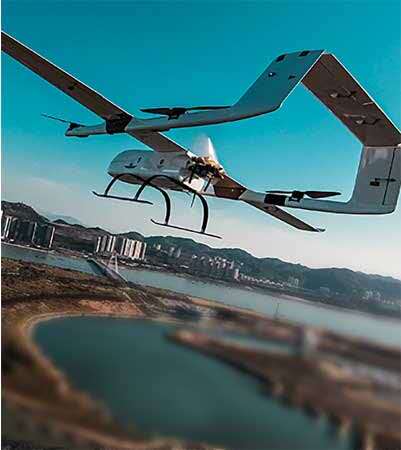
Benefits of Carbon Fiber in UAVs:
Lightweight Design: Reduces overall drone weight, extending flight times and enabling higher payload capacity without sacrificing maneuverability.
High Strength-to-Weight Ratio: Withstands strong winds, turbulence, and heavy usage, ensuring reliability in demanding environments.
Durability: Outperforms traditional materials such as aluminum and plastic, reducing wear and maintenance costs over time.
Improved Aerodynamics: The streamlined nature of carbon fiber parts supports longer endurance missions by reducing drag.
Heat and Corrosion Resistance: Offers resilience in extreme environments, from desert heat to maritime humidity.
In short, carbon fiber empowers VTOL drones with a balance of strength and efficiency that few materials can match.
Advantages of VTOL Technology
While traditional fixed-wing and multirotor drones each serve specific purposes, VTOL UAVs combine the strengths of both platforms.
Runway Independence: Vertical take-off and landing eliminates the need for dedicated infrastructure, ideal for remote operations.
Extended Range: Fixed-wing flight mode reduces energy consumption, enabling long missions.
Operational Flexibility: VTOL UAVs adapt to various environments—from cities to rural areas—without compromise.
Precision: Hovering allows precise inspections, while fixed-wing ensures long-range travel.
Cost-Effectiveness: Combines multirotor and fixed-wing benefits, making VTOL drones practical for enterprises seeking efficiency.