DETECTION DRONES

What are Drone Detection Systems?
They are integrated sensor suites designed to passively identify, locate, and track unauthorized drones before they are neutralized (e.g., by an anti-drone gun). Unlike jammers, detection systems do not emit signals—they listen and watch.
How They Work:
Instead of a single “gun,” detection uses multiple technologies working together:
· RF (Radio Frequency) Analyzers: Scan the spectrum for drone control/video signals. They identify the drone’s make/model and approximate location.
· Passive Radar: Detects the drone’s own electronic emissions without sending out pings.
· Acoustic Sensors (Microphone Arrays): “Hear” the unique propeller noise of specific drone models (effective under ~300 meters).
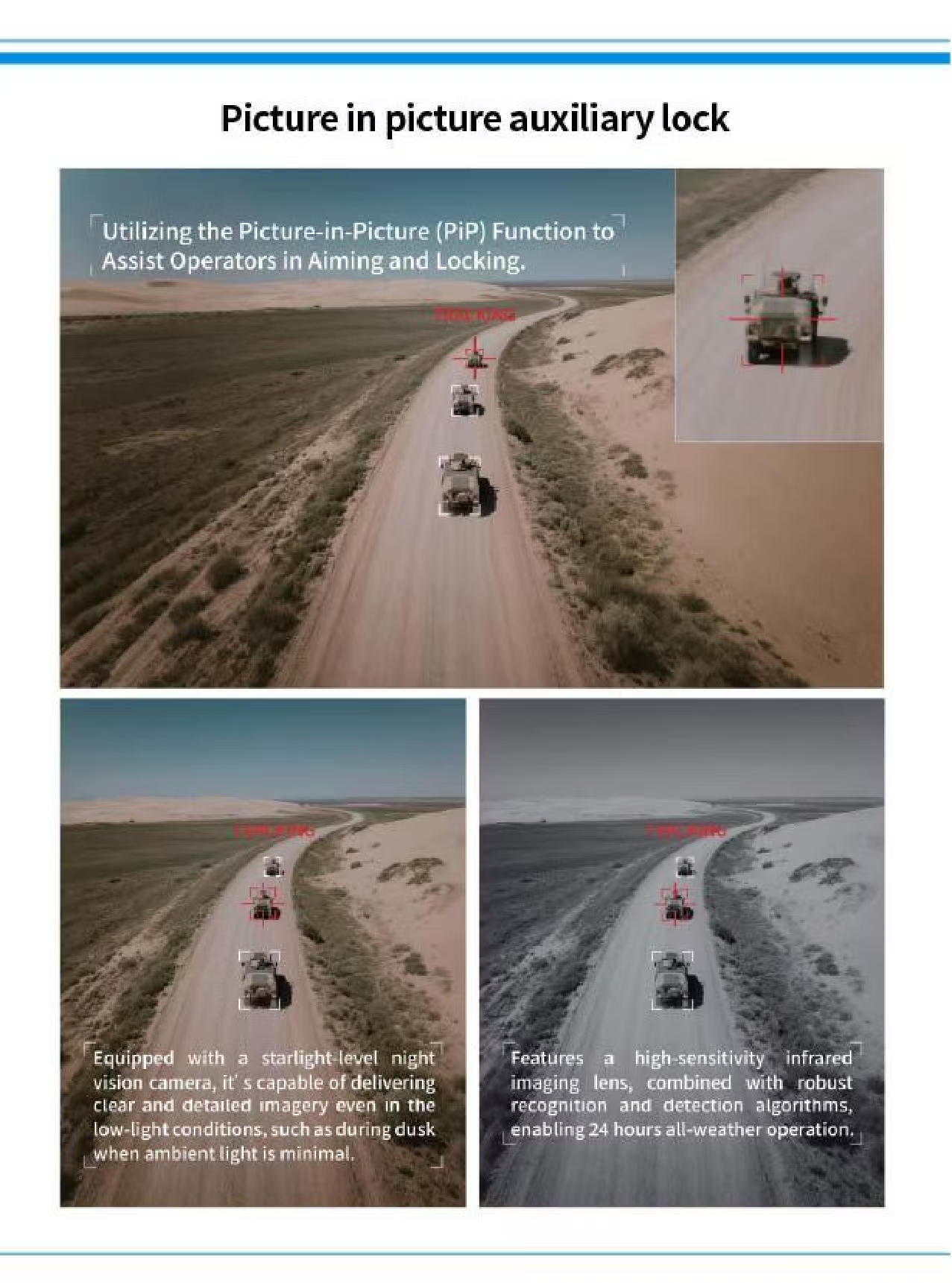
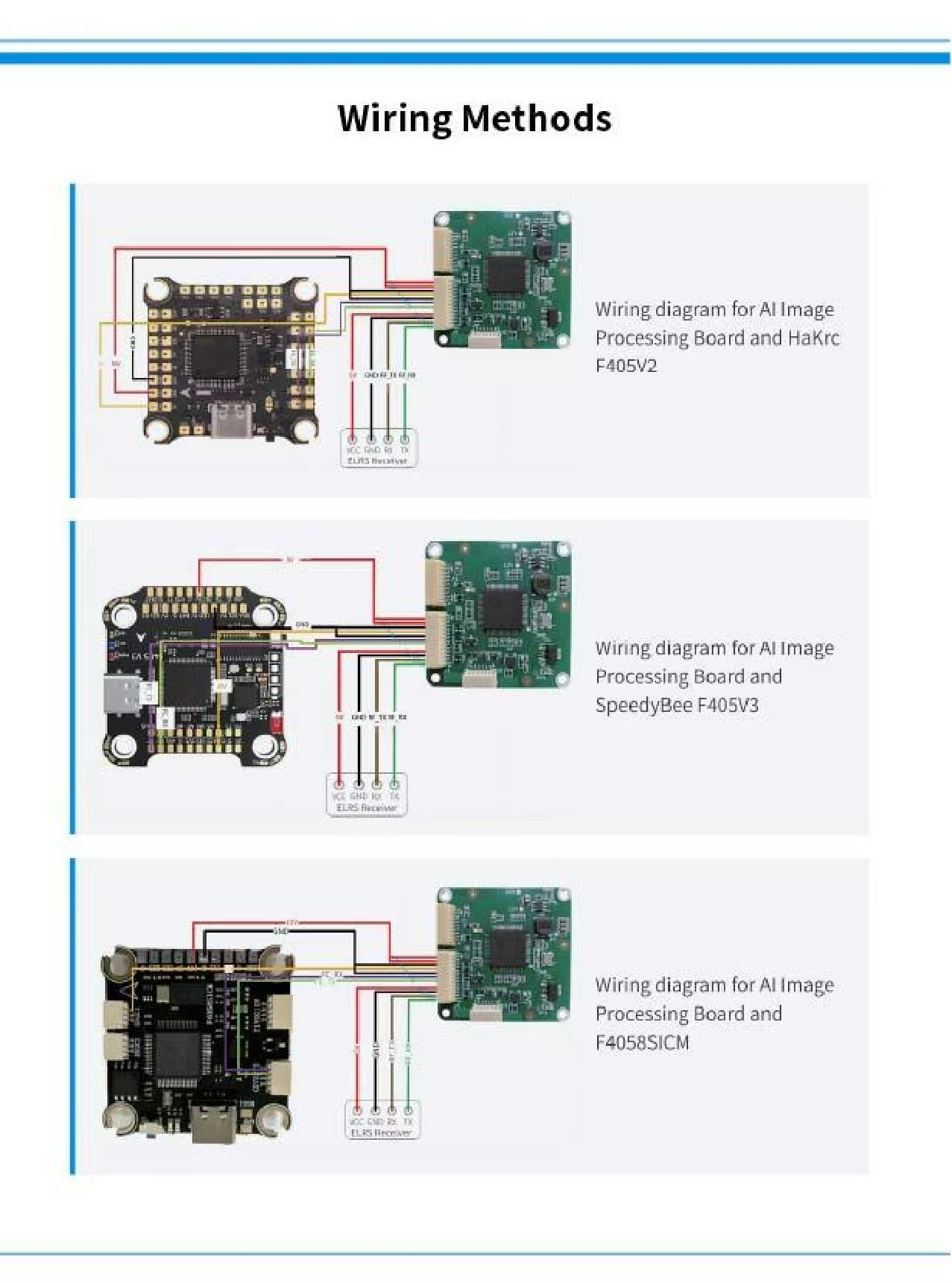
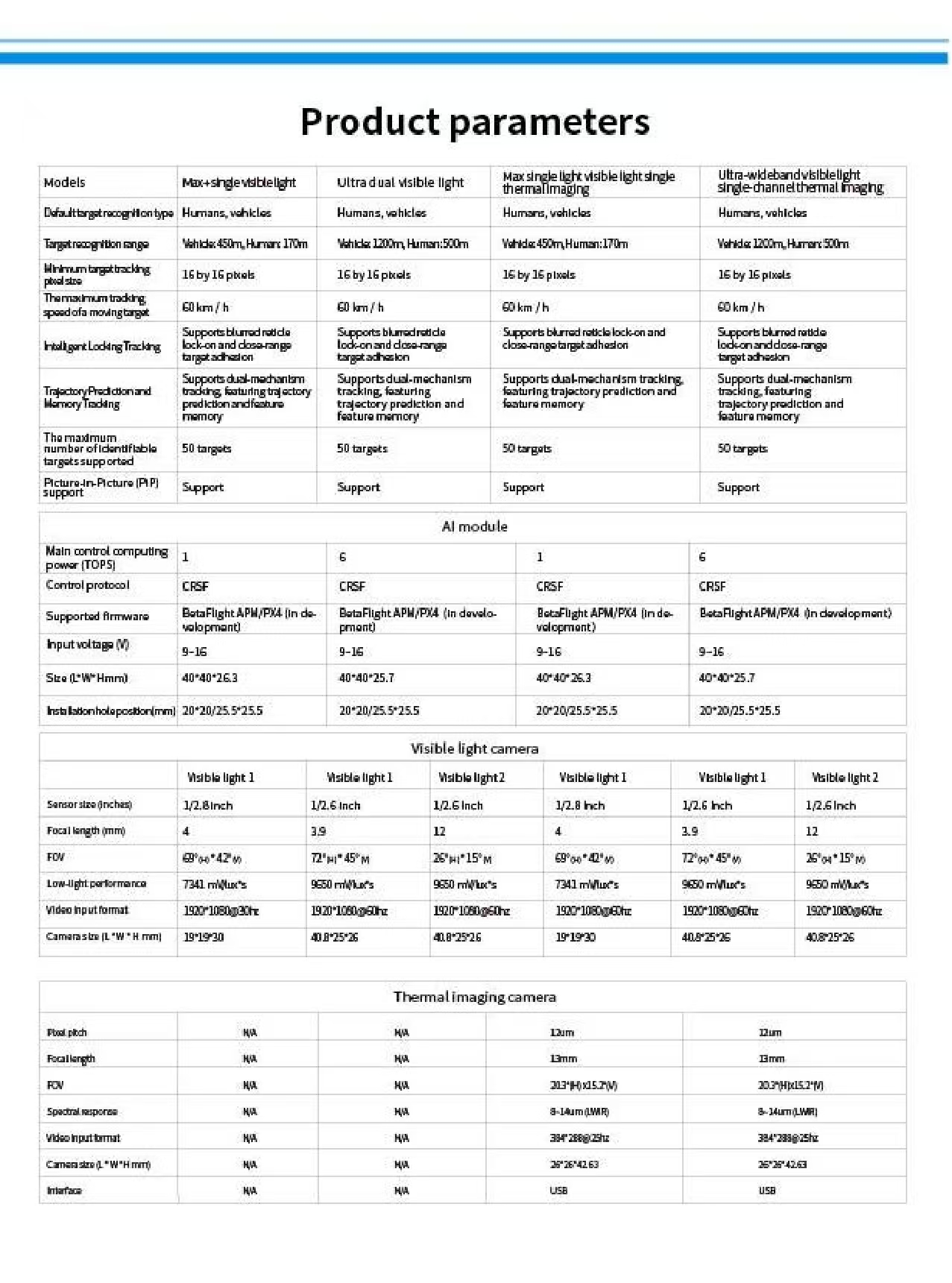
· Optical/Thermal Cameras: Visually confirm and track the drone with AI-based object recognition (day/night).
· AESA/3D Radar (Active): Traditional radar that emits signals to detect silent or autonomous drones (gives range, speed, altitude).
Key Features:
· Passive vs. Active: Most civilian systems are passive (no emitted radiation, cannot be traced).
· Classification: Can differentiate between a DJI Phantom, a custom FPV racer, or a bird.
· Geo-fencing Integration: Triggers alarms when drones enter restricted zones.
· Multi-sensor Fusion: Combines data from all sensors to create a unified tracking picture.
Common Types:
· Portable (Backpack/Handheld): RF-direction finders for roving security.
· Fixed Installation: Pole-mounted sensors for prisons, airports, or stadiums.
· Mobile (Vehicle/Rooftop): Rapid deployment for VIP events.
Primary Uses:
· Airports: Detect drones near runways to avoid collisions.
· Critical Infrastructure: Power plants, oil refineries, data centers.
· Public Events: Concerts, sports matches, political rallies.
· Military Forward Bases: Early warning before drone attacks.