COUNTER DEFENCE DRONES

Counter-drone systems, or C-UAS, are layered defense solutions designed to detect, identify, and neutralize hostile unmanned aerial vehicles (UAVs). As drones have become more accessible and sophisticated, these systems have evolved into a crucial component of modern security, addressing threats ranging from battlefield attacks to airport disruptions .
Here is the breakdown of the core technologies used to defeat drones:
📡 Detection & Tracking
Before neutralizing a drone, it must first be found. Advanced C-UAS rely on multi-sensor fusion to spot even small, stealthy targets .
· Radar: Systems like the ReGUARD use 3D phased-array radar to track small drones, even in challenging terrain .
· RF & Passive Sensors: RF direction finders (e.g., ReSCAN) detect drone control signals without emitting energy, keeping the system hidden. Acoustic and optical sensors add another layer of confirmation .
🛡️ Neutralization (Defeat Mechanisms)
Once a threat is confirmed, defenses can be “soft” (non-kinetic) or “hard” (kinetic), often deployed in layers .
Soft Kill (Electronic Warfare)
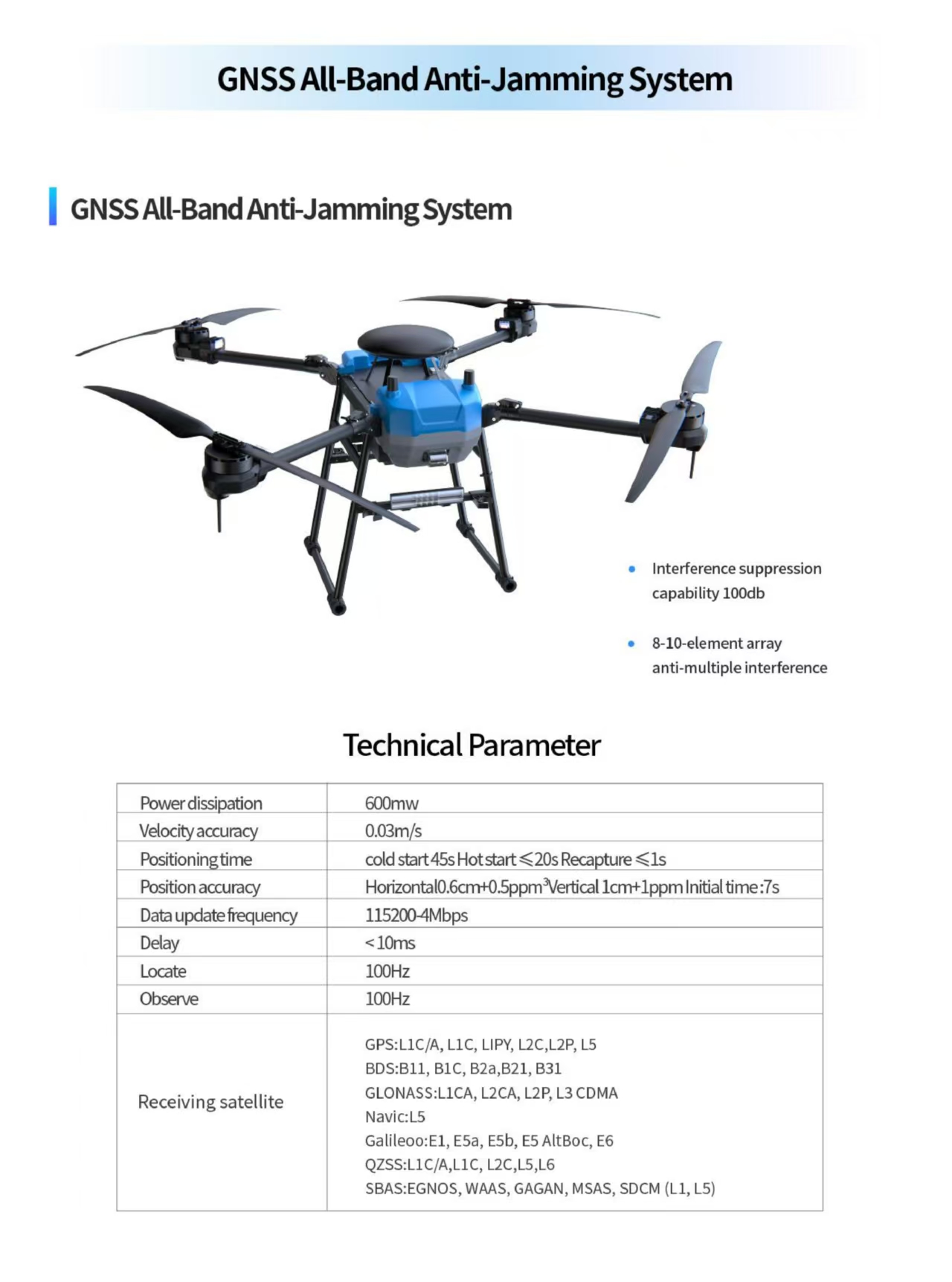
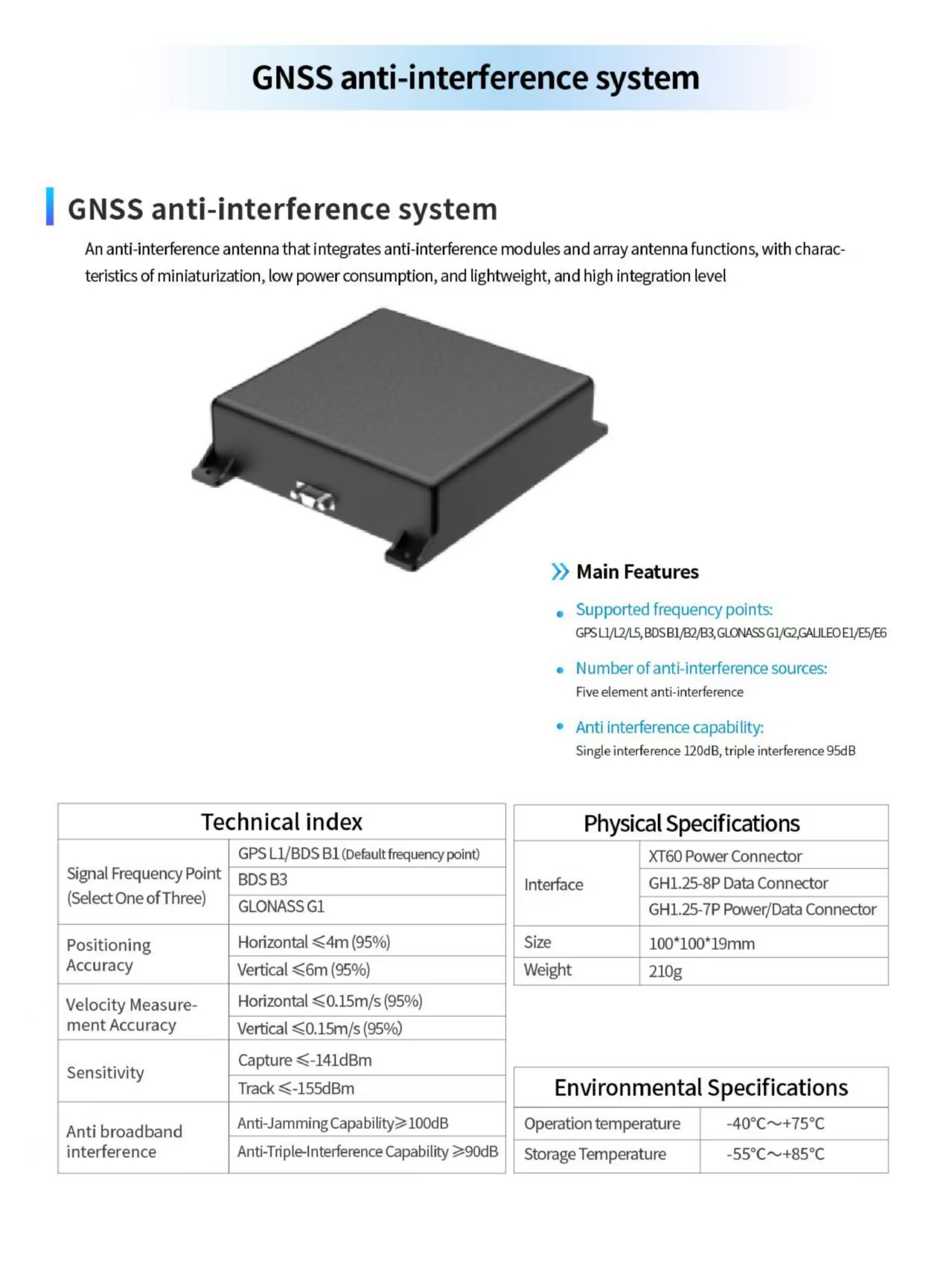
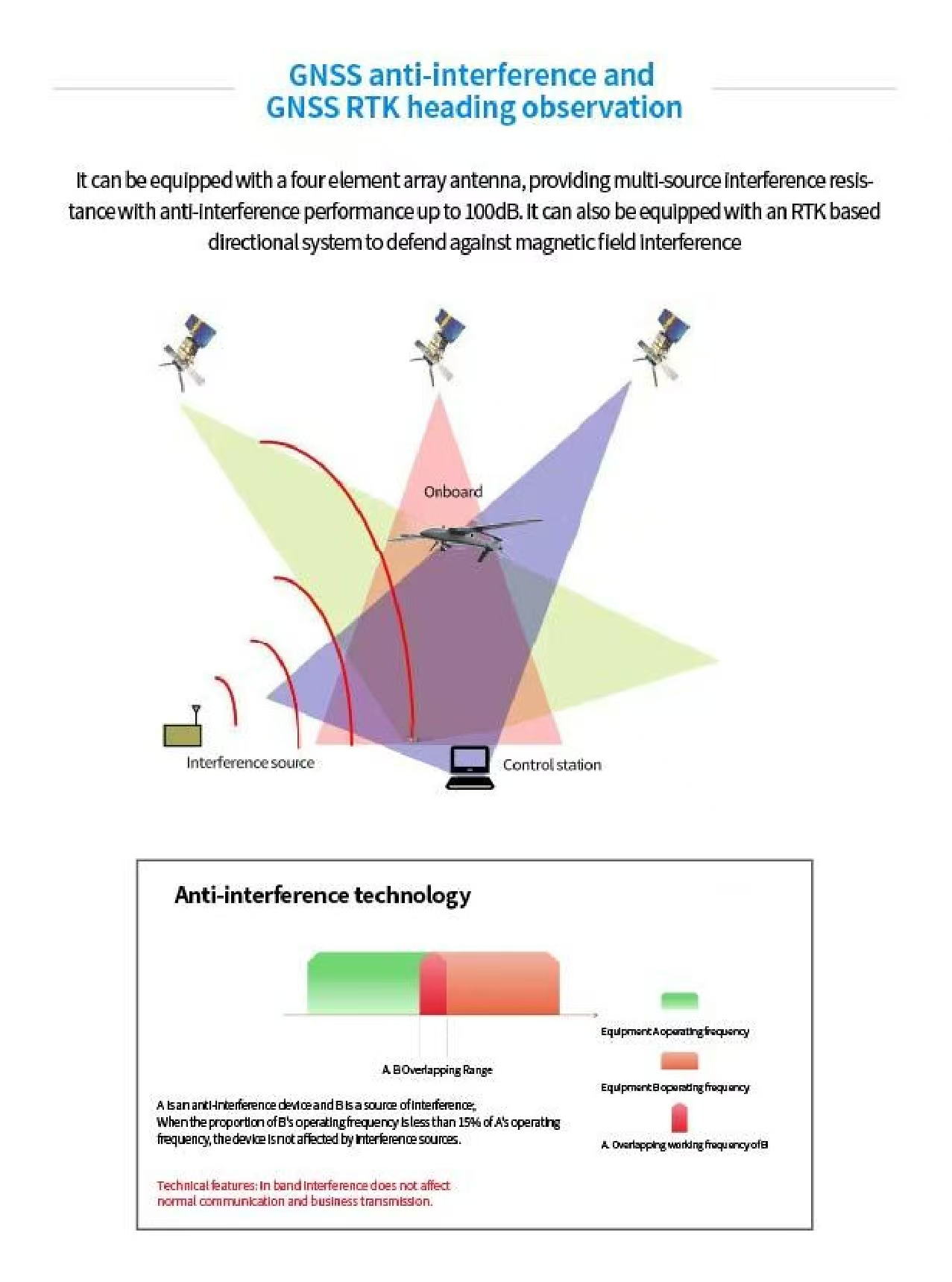
· Jamming & Spoofing: These non-kinetic methods disrupt the drone’s communication link, forcing it to land or return home. The Israeli system EnforceAir goes a step further by hacking the drone to take control of it .
· Limitation: This is ineffective against fully autonomous drones that don’t rely on a live radio link .
Hard Kill (Kinetic & Physical)
· Interceptor Drones: Systems like Merops launch small “suicide” drones to collide with hostile UAVs (kinetic interception). This method is highly cost-effective in combat, as seen in Ukraine .
· Directed Energy (Lasers/Microwaves): Lasers (e.g., UK’s DragonFire, India’s Mk-2A) offer a “silent,” low-cost-per-shot solution, capable of burning through a drone’s structure .
· Guns & Nets: Ranges from automated cannons like Australia’s Slinger to vehicle-mounted shotguns (Germany’s SCILT) for very close defense. Drone-catching nets are also used when debris is a concern .
⚙️ Integrated Systems
Modern defense relies on layered “Swiss cheese” models, combining the above methods .
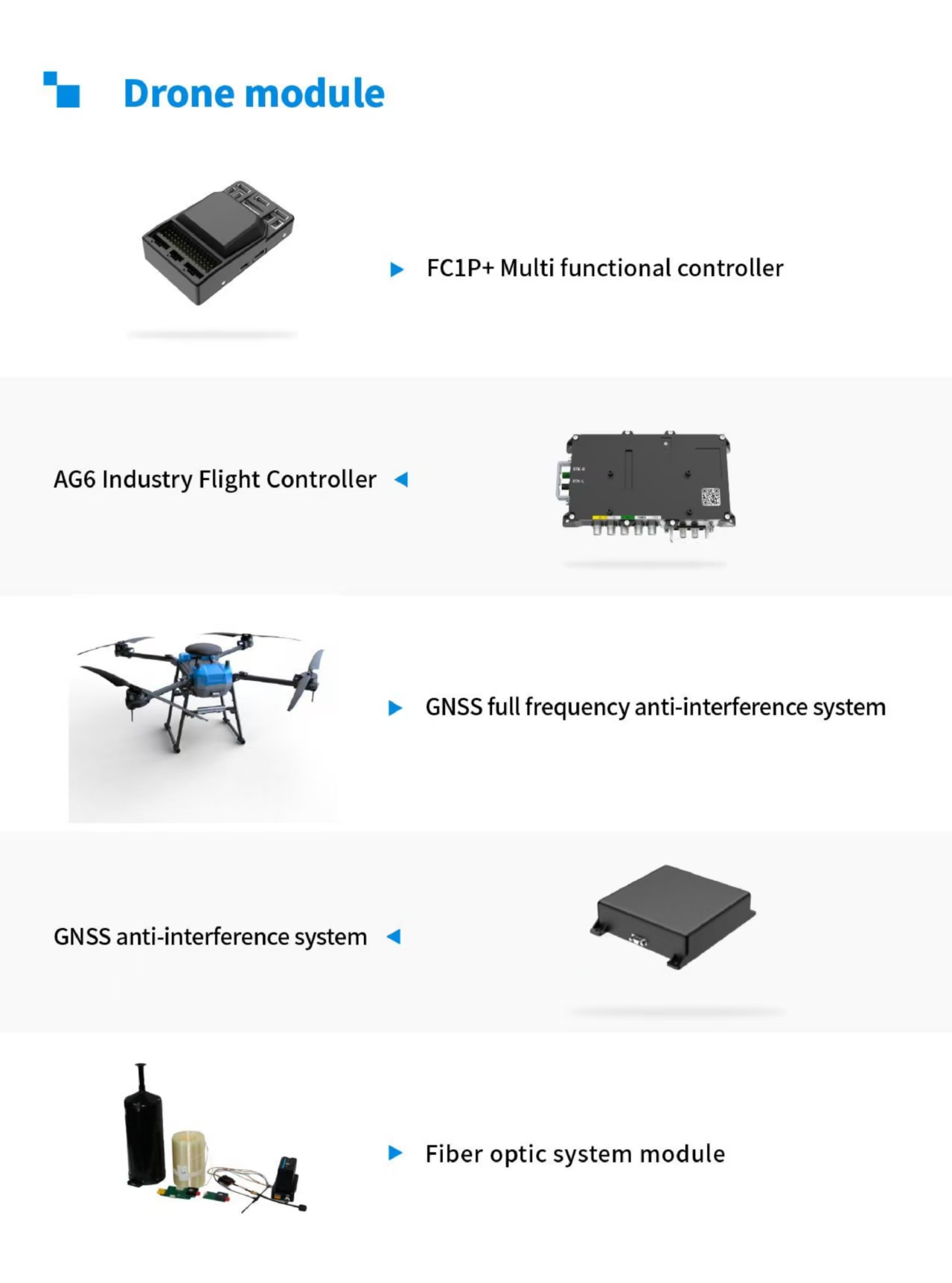
· Modular Architecture: Systems like AeroVironment Halo_Shield allow plug-and-play integration of various sensors and weapons across wide areas .
· Automated Command: Software such as ReCUBE fuses data from all sensors, performs automatic threat analysis, and offers a centralized interface for a single operator to manage defenses .
💰 Economic Challenges
A key challenge is cost parity. Attack drones can cost just $500, while defense systems are often expensive—though DEWs (~$3/shot) and low-cost interceptors like Merops (~$15M destroyed vs. $200M in threats) are changing the economic equation .